
There’s a subtle trap leaders fall into—especially the capable ones.
The ones who know how to read a room. Who say the right thing. Who understand optics, influence, and positioning.
On the surface, it looks like strong leadership.
Underneath, something else is often happening: we’re managing perception rather than being fully present.
This creates a split in attention.
Part of you is in the moment. Monitoring how the moment is going: how you’re coming across, how you’re being received, whether what you’re saying is landing.
We call this managing perception rather than being fully present. But perception isn’t really the issue.
What’s happening underneath is self-protection. And the more attention you devote to managing how you’re seen, the less of you is actually available for the people you lead.
What the Split Actually Looks Like
The split is subtle, which is why most leaders don’t notice it. You’re in the conversation, but part of your attention is somewhere else: noticing how you sound, adjusting your words, tracking reactions, trying to land well.
It can look like:
- Carefully choosing words to sound confident—even when you’re uncertain
- Holding your posture a little tighter so no one questions your authority
- Thinking about how you’re being received instead of what’s actually needed
- Filtering what you say to avoid being judged, misunderstood, or wrong
- Leading a conversation while simultaneously watching yourself from the outside
We often label this as managing perception. But more often, we’re managing uncertainty.
The uncertainty of how we’ll be received. The risk of getting it wrong. The possibility that someone might question our credibility, competence, or authority.
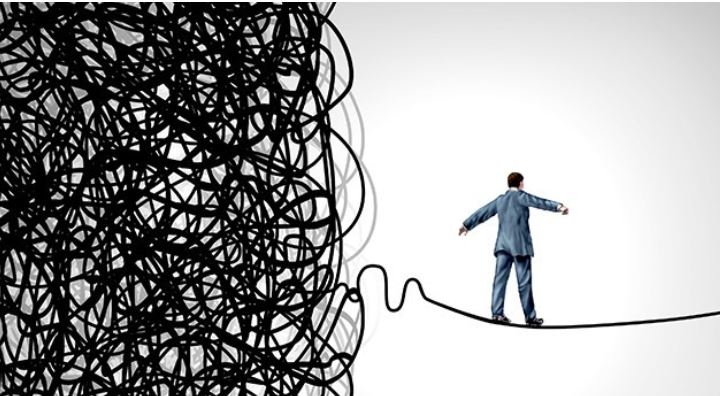
So part of our attention stays focused on protecting our image. The problem is that attention has to come from somewhere.
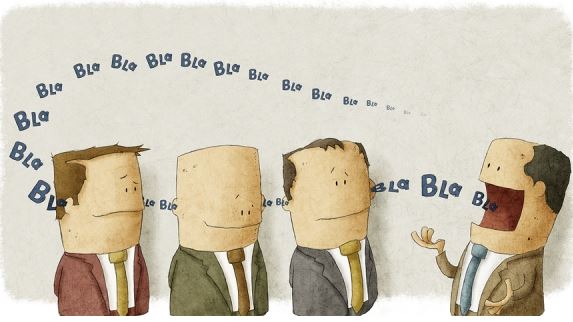
The more attention you devote to self-monitoring, the less attention is available for the people in front of you, the dynamics in the room, and what’s actually needed in the moment.
You’re physically present. But you’re not fully there.
And people can feel the difference.
They may not be able to name it, but they experience it as distance. Something feels filtered. Slightly managed. Less real than it could be.
Why We Do It
Managing perception is a learned survival strategy. At some point, it worked. It helped you:
- Earn trust
- Build credibility
- Advance in your career
- Avoid missteps
You got rewarded for looking composed. For having answers. For appearing certain.
So you kept refining the ability to manage how you’re seen, until one day you realize: You’ve gotten very good at being perceived as a leader — but less practiced at simply being one.
What It Costs You
Managing perception creates a constant internal split. One part of you is in the moment. The other part is analyzing how the moment is going. That split costs you:
- Clarity — you’re filtering instead of seeing clearly
- Connection — people don’t fully experience you
- Presence — your attention is divided
- Trust — real trust needs something real to land on
And over time, it’s exhausting. Because you’re never fully at rest inside yourself.
Horses See It Immediately
This is where horses are unfiltered in the best way. Horses don’t respond to the version of you that you’re presenting. They respond to the one that’s actually there.
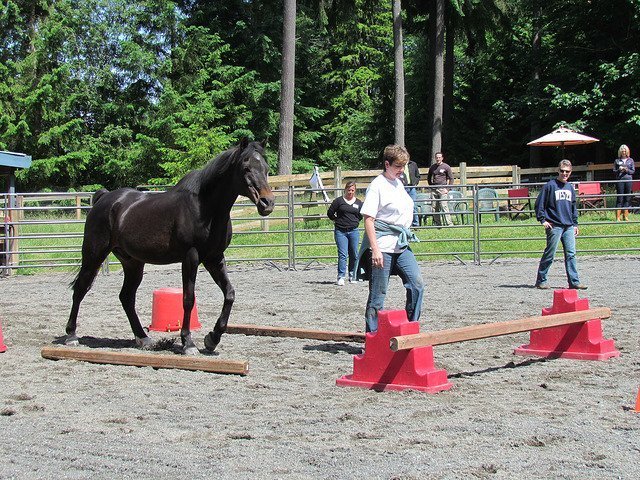
Horses follow presence
You can walk into the arena looking composed. But if your attention is split — if part of you is trying to “get it right” — if you’re managing how you’re being perceived, they won’t fully engage. They might hesitate. Drift away. Ignore a cue that should work.
Not because they’re difficult. Because they’re responding honestly.
The moment you drop the performance — the moment you come back into your body, your intention, your presence — they shift. Immediately.
People Aren’t That Different
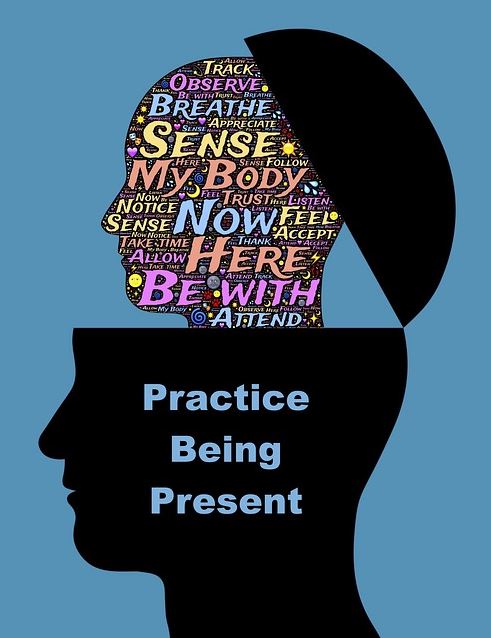
In the workplace, people don’t walk away as obviously as a horse does. But the dynamic is the same. When you’re managing perception:
- Feedback gets filtered
- Conversations stay surface-level
- Teams engage, but don’t fully trust
- Alignment feels fragile
And when you’re fully present:
- Your words land more cleanly
- Your decisions carry more weight
- People relax around you
- Trust builds faster — because it has something real to attach to
Presence isn’t a soft skill.
It’s a leadership competency.
The Shift Back to Presence
This isn’t about abandoning awareness. It’s about redirecting it. Instead of asking: How am I coming across? Shift to:
- What’s actually needed right now?
- What am I noticing — in myself, in others, in the room?
- What’s true that isn’t being said?
And then — this is the part most people skip — trust yourself enough to respond from there.
Not perfectly. Not performatively. Just honestly.
A Simple Check-In
The next time you’re in a conversation, a meeting, or a moment that matters, ask yourself: Am I here… or am I managing how I’m being seen here? The honest answer to that question alone will tell you a lot.
If You’re Ready to Shift This
Reading this is one thing. Experiencing it — viscerally, in real time — is something else entirely.
That’s the difference in the work I do.
In a Leadership with Horses session, you don’t get theoretical feedback. You get immediate, undeniable reflection of how you’re showing up — without filters, without interpretation. It becomes clear, very quickly:
- Where you’re managing
- Where you’re holding back
- And what changes when you stop
If stepping into an arena isn’t your next move yet, this is also the core of my leadership coaching work.
We slow things down. Strip away the performance. We build your capacity to:
- Stay present under pressure
- Lead without over-managing perception
- Trust your own signal again
Because the goal isn’t to look like a better leader. It’s to actually become one — at a level people can feel.
If that’s the work you’re ready for, you’ll know.
And when you are, I’d love to work with you.
— Amanda